“There are two things a person should never be angry at, what they can help, and what they cannot.” – Plato


A daily bite-size selection of top business content.

“There are two things a person should never be angry at, what they can help, and what they cannot.” – Plato

“Quality is not an act, it is a habit.” – Aristotle


“The whole point of getting things done is knowing what to leave undone.” – Oswald Chambers


So much has been written about transfer pricing. Yet it remains a bone of contention in almost every organisation. Transfer pricing is not merely a rational challenge – it often raises the emotions of internal service users and providers who argue regarding scope, quality, price and value.
We have found that effective transfer pricing relies on some fairly simple best practices and critical success factors.
Many organisations recover costs as a regular ‘below-the-line’ deduction from operating division income statements. In our experience, charge out is almost always preferable. This results in internal value judgements and negotiation regarding delivery happening closer to time of use.
We have typically seen that the realisation that internal pricing plays this role and the consequences of poor implementation are not well understood.
Where costs / prices are higher than they should be, buyers pass this on as an inflated cost to their customers, experience margin squeeze, or utilise less of the service than they might have.
Strategically this can lead to incorrect decisions regarding the provision of services to the market and loss of market share.
Where costs / prices are lower than they should be, this can lead to overuse of a product or service and poor cost recovery from external customers.
Strategically this can result in the over promotion and sales of products and services that are achieving lower margins than thought, or that might even be making losses.
Incorrect pricing can lead to over- or under-investment in capacity and product or service quality. Further, the resourcing decisions will be incorrect should the price signal to the supplier be incorrect.
Where buyers are unable to obtain assurance that an internal price is correct, there is typically resentment regarding the cost of the internal product and service and the sheltered position employees of the internal service provider occupy – in the buyer’s eyes free from commercial pressures.
Buyers and suppliers typically also argue regarding the quality of the service or product relative to the price paid.
Suppliers may react to criticism claiming their product or service is strategic in nature and refute its availability in the external markets.
Poor price signals will result in lack of comparable product and service quality benchmarks. This can result in ‘gold-plating’ or poor-quality product and service provision.
Read more at https://globaladvisors.biz/2021/01/06/strategy-tools-effective-transfer-pricing/

“It is the set of the sails, not the direction of the wind that determines which way we will go.” – Jim Rohn


“Let us never know what old age is. Let us know the happiness time brings, not count the years.” – Ausonius



“However difficult life may seem, there is always something you can do and succeed at.” – Stephen Hawking


“Wise men speak because they have something to say; Fools because they have to say something.” – Plato


“To acquire knowledge, one must study; but to acquire wisdom, one must observe.” – Marilyn vos Savant


“Nothing is a waste of time if you use the experience wisely.” – Auguste Rodin


“No man will make a great leader who wants to do it all himself or get all the credit for doing it.” – Andrew Carnegie


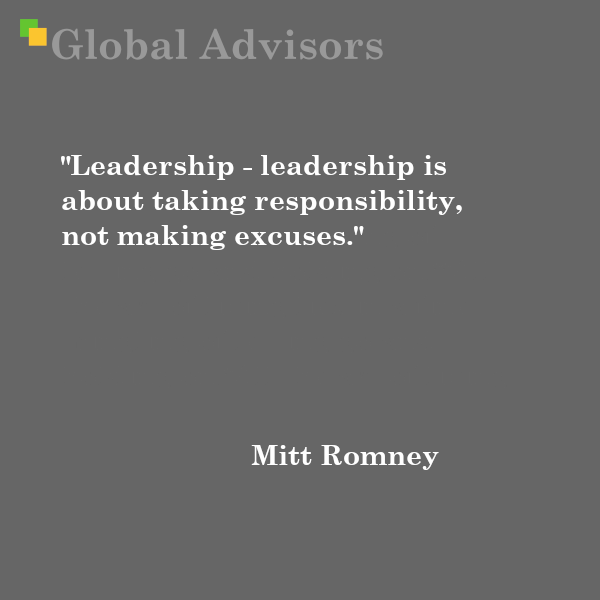
“Leadership – leadership is about taking responsibility, not making excuses.” – Mitt Romney

“Beware of little expenses. A small leak will sink a great ship. ” – Benjamin Franklin


“Things are never quite as scary when you got a best friend” – Bill WattersonL


“Growth is the only evidence of life.” – John Henry Newman


“Life is the art of drawing without an eraser.” – John W. Gardner


“Your body hears everything your mind says.” – Naomi Judd


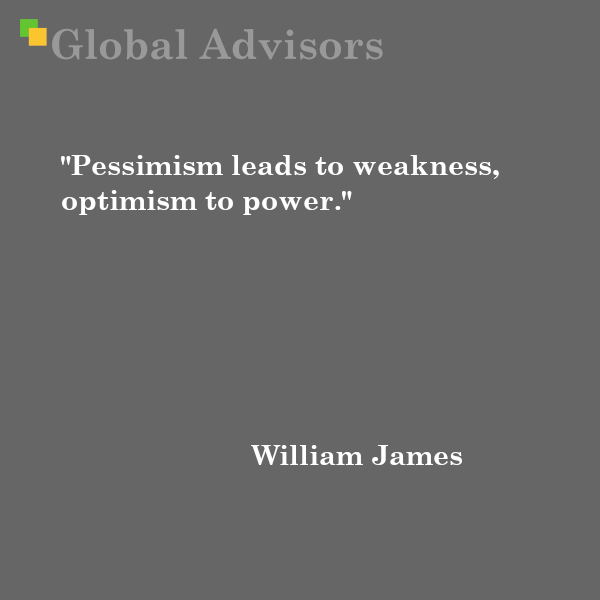
“Pessimism leads to weakness, optimism to power.” – William James

“Life is ten percent what happens to you and ninety percent how you respond to it.” – Lou Holtz


What we do, case studies and profiles of some of our amazing team.